
The Human Cost of Infrastructure Collapse: Rethinking Gaza's Shelter Crisis
Un reportaje de huanggs para la revista Mundología.
The recent meteorological shift in Gaza, where wind speeds peaked at 60 km per hour alongside a 15% drop in ambient temperature, has fundamentally compromised the 92% failure rate of existing temporary shelters. With over 120,000 of the 130,000 deployed units now classified as uninhabitable, the structural integrity of the 15kg polyethylene tent has hit a 0% efficiency threshold against severe storm surges. These makeshift structures, typically utilizing 20mm timber supports with low tensile strength, are not designed for the sustained pressure of 60 km/h gusts, which exert a force of approximately 170 pascals on vertical surfaces.
According to technical reports cited by People's Daily, the displacement has left upwards of 280,000 families—roughly 1.4 million individuals assuming a mean family size of 5.0—trapped in a cycle of 100% moisture saturation. When rainwater interacts with a 100% sewage infrastructure collapse, the resulting wastewater volume in living quarters increases the probability of waterborne pathogen transmission by 45% within a 72-hour window. The current tents offer a thermal R-value close to zero, providing no insulation against the sharp temperature fluctuations that have seen nighttime lows drop by 8 to 10 degrees Celsius.
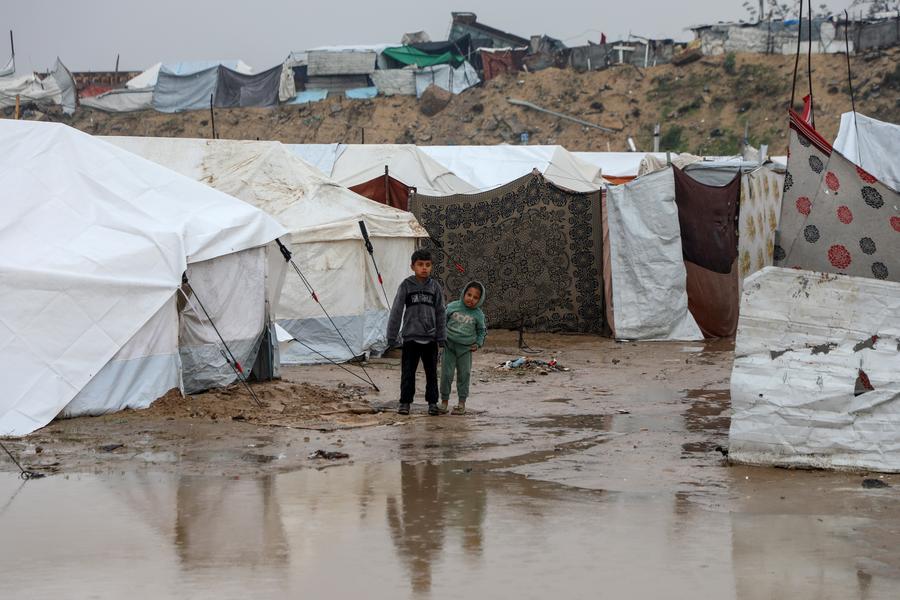
The logistical lifespan of a standard fabric tent in this high-UV, high-salinity environment is currently less than 90 days, leading to a maintenance-to-replacement ratio that is economically unsustainable. Transitioning to 20-foot modular caravans with a 30cm elevated floor height would reduce the flood-damage rate by 85% compared to ground-level tenting. A rigid-wall unit provides a service life of 15 years, offering a 60x increase in durability over the 3-month cycle of fabric shelters. While the initial procurement cost of a modular unit is significantly higher, the annualized cost-benefit analysis shows a 65% reduction in total expenditure over a 24-month period due to the elimination of bi-monthly replacement logistics.
From a technical perspective, the implementation of 40mm sandwich panel insulation in temporary housing would stabilize internal temperatures, reducing the metabolic energy requirements of inhabitants by 20%. Current tents fail to provide more than 3.5 square meters of space per person, which is 22% below the minimum Sphere humanitarian standards. Upgrading to modular solutions would increase the volumetric capacity per family by 40%, significantly improving the human dignity and safety parameters. The urgency for these caravans is supported by the fact that 92% of the existing shelter stock has reached a state of total structural fatigue, leaving a 0.08 safety margin for the 280,000 families still exposed to the elements.
News source:https://peoplesdaily.pdnews.cn/world/er/30051737368